
الدفع نقداً عند الاستلام · التوصيل مجاني ابتداءً من 500 درهم
🇫🇷 Français FR 🇫🇷 المنتجات → الباقة المتكاملة -21% → دليل الصحة والمقالات → الأسئلة الشائعة →
Supplement Comparisons 7 min read • Updated Sep 26, 2026

Magnesium Glycinate vs. Citrate & Marine: Why Most Pharmacy Magnesium Fails in Morocco

MV1
MV1 Clinical Nutrition Team Certified Sports & Preventive Nutritionist
Medically & Clinically Reviewed
Clinically Validated

Pure Bioavailability & Rapid Absorption

Manufactured under ISO 22000 & ONSSA compliance. 100% Free express delivery across Morocco with COD.

Magnesium Glycinate vs. Citrate & Marine: Why Most Pharmacy Magnesium Fails in Morocco

Executive Summary & Key Takeaways

  • The Marine Oxide Myth: "Magnésium Marin" sounds natural, but it is 85% Magnesium Oxide with an abysmal 4% absorption rate.
  • The Laxative Effect: Unabsorbed oxide draws water into the colon via osmotic pressure, causing abdominal pain and diarrhea.
  • Citrate for Constipation: Magnesium Citrate is moderately absorbed (25-30%) but primarily stimulates bowel movements rather than calming brain receptors.
  • Bisglycinate Superiority: Chelated to glycine amino acids, absorbed via dipeptide channels with 85%+ bioavailability and zero digestive upset.
  • True Value: While cheap marine magnesium appears inexpensive, you absorb 10x less elemental mineral per dirham spent.

If you have ever taken a magnesium supplement in Morocco and experienced painful stomach cramps, sudden diarrhea, or felt zero difference in your sleep and stress levels, you were almost certainly taking the wrong chemical form. Let us uncover the clinical reality of Magnesium Glycinate vs. Citrate vs. Magnésium Marin.

1. The Moroccan Pharmacy Trap: What is "Magnésium Marin"?

Marketing terms can be deceptive. In Morocco, boxes labeled "Magnésium Marin Naturel" sell in huge quantities because the word "Marin" evokes pristine ocean water and organic purity. However, from a biochemical standpoint, marine magnesium is simply Magnesium Oxide and Magnesium Hydroxide evaporated from seawater.

Magnesium Oxide features extremely tight ionic bonds. Human gastric acid cannot efficiently break these bonds down. Multiple peer-reviewed clinical trials reveal that less than 4% of Magnesium Oxide is absorbed into human blood. The remaining 96% sits unabsorbed in your intestines.

2. Absorption Face-Off: Oxide vs. Citrate vs. Glycinate

Form Bioavailability Digestive Comfort Primary Medical Purpose
Magnesium Oxide (Marin) ~4% Poor (Laxative, Cramps) Severe constipation relief, antacid
Magnesium Citrate ~25-30% Moderate (Can cause loose stools) Occasional constipation, general intake
Magnesium Bisglycinate (MV1) 85% - 90% Flawless (Zero stomach issues) Deep sleep, anxiety, muscle recovery, nervous calm

3. The Digestive Factor: Why Cheap Magnesium Causes Diarrhea

When you ingest 300mg of elemental Magnesium Oxide, roughly 288mg remains trapped in your digestive tract. Elemental magnesium is an osmotic agent: it draws water from surrounding bodily tissues directly into the bowel lumen. The result is rapid-onset osmotic diarrhea, flatulence, and gastrointestinal distress.

In contrast, Magnesium Bisglycinate is chelated to two molecules of glycine. The body treats this complex as an organic peptide rather than a free mineral salt. It is absorbed cleanly through the intestinal dipeptide transport channels (PEPT1), avoiding mineral receptor saturation and leaving your stomach completely settled.

4. Brain Penetration: Calming GABA vs. Empty Promises

For Moroccans battling insomnia, stress, and nervous burnout, the goal is getting magnesium across the blood-brain barrier. Magnesium Glycinate delivers active glycine directly to the central nervous system, promoting GABAergic neurotransmission and lowering evening cortisol. Neither oxide nor citrate can replicate this neural calming effect.

5. True Cost Per Absorbed Milligram

A cheap 70 DH box of pharmacy marine magnesium may look like a bargain compared to premium chelated supplements. But when you factor in that only 4% is utilized by your cells, you are essentially paying for expensive waste. MV1 Magnesium Glycinate delivers true clinical efficacy with every single capsule.
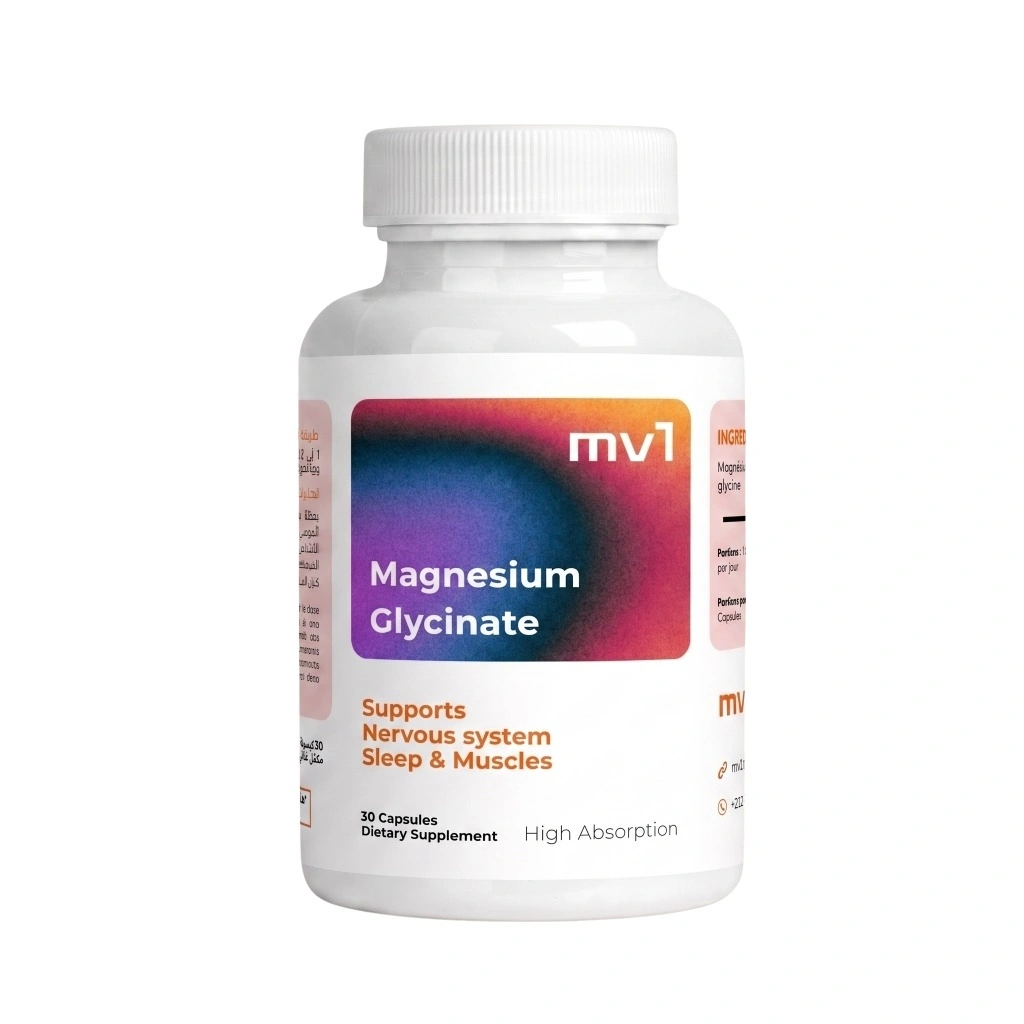
Magnésium Glycinate
En Stock • Livraison Partout au Maroc

Magnésium Glycinate

Sommeil profond, système nerveux & récupération musculaire

229 DH Cash à la Livraison (Paiement à réception)
Frequently Asked Questions

Questions & Clinical Answers

Yes, daily supplementation is completely safe and recommended for adults experiencing stress, athletic fatigue, or inadequate dietary intake.
Yes. Magnesium Bisglycinate is specifically formulated for individuals who cannot tolerate pharmacy marine magnesium or citrate.

Questions about your personal routine?

Talk to our wellness team on WhatsApp for customized supplement advice in Morocco.

Chat on WhatsApp

More Evidence-Based Guides

View All →
Sleep & Nervous System

Magnesium Glycinate in Morocco: The Science of Deep Sleep, Anxiety Relief & Muscle Recovery

Magnesium deficiency affects over 70% of Moroccan adults due to mineral-depleted soil, high daily stress, and tannin-rich mint tea inhibiting absorption. Discover why chelated Magnesium Glycinate outperforms cheap pharmacy oxide, how it calms the nervous system, and the exact protocol to achieve restorative sleep.

6 min read Read →
Hormones & Skin Health

Zinc Picolinate in Morocco: The Science of Clear Skin, Testosterone & Immune Defense

Zinc is the ultimate gatekeeper of male vitality, clear skin, and robust immunity. Discover why zinc picolinate and bisglycinate absorb up to 3x better than harsh pharmacy zinc sulfate, how it fights stubborn hormonal acne, and why active men and women in Morocco need it daily.

5 min read Read →
Immunity & Bone Health

The Morocco Sunshine Paradox: Why You Need Vitamin D3 + K2 Even Under Sunny Skies

Morocco enjoys over 300 sunny days each year, yet clinical lab tests show widespread Vitamin D deficiency across Casablanca, Rabat, Marrakech, and beyond. Learn why indoor lifestyles, skin melanin, and winter angles prevent synthesis, and why Vitamin D3 must ALWAYS be paired with Vitamin K2 to avoid arterial calcification.

6 min read Read →